A version of this feature ran in the May issue of BRAIN.
BOULDER, Colo. (BRAIN) — For our May magazine edition, we asked our State of Retail panel members: How have post-pandemic shifts in distributor supply and the rise of customer-supplied parts influenced your sourcing strategy?
LANCASTER, CALIF.: Paul Avila, owner Paul's Squeaky Wheel Bike Shop
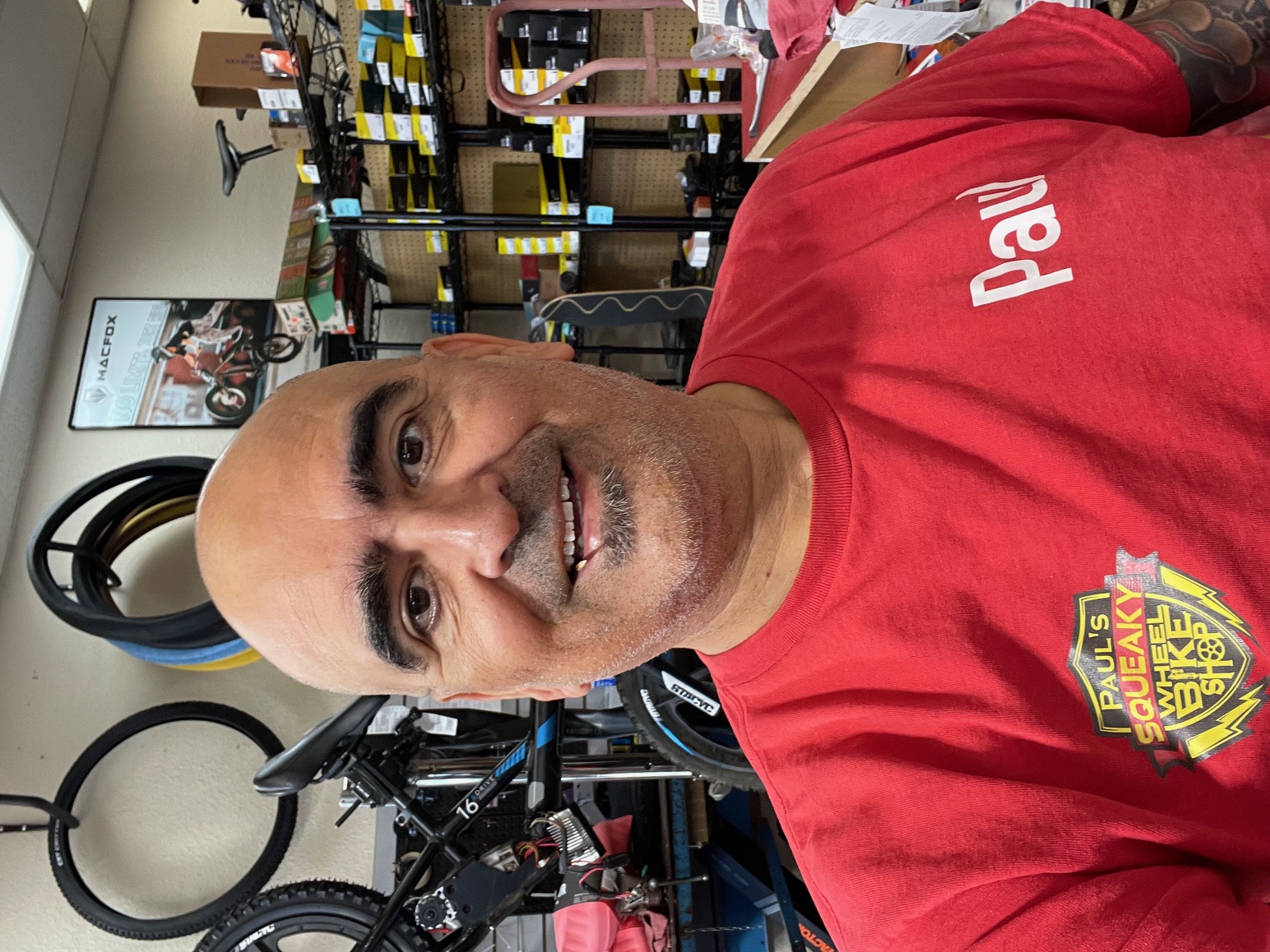
We’re not experiencing many issues with major brands. Response times and shipping for warranty and replacement parts have been strong, especially from e-bike companies like Aventon and Lectric. Distributor sourcing has largely returned to pre-pandemic conditions. We rely on two major distributors for most needs, choosing suppliers based on availability and proximity — SoCal for basic items like tubes and Reno for higher-end products — and we typically meet shipping minimums. We do accept outside parts but make it clear that customers are responsible if fitment or quality issues arise. Problems tend to come from off-brand e-bike parts purchased online, which often don’t work. One improvement distributors could make is lowering shipping costs for small orders because unexpected customer needs frequently require placing additional orders after weekly cutoffs.
SOMERVILLE, N.J.: Marc Cianfrone, owner Pops Bike Shop
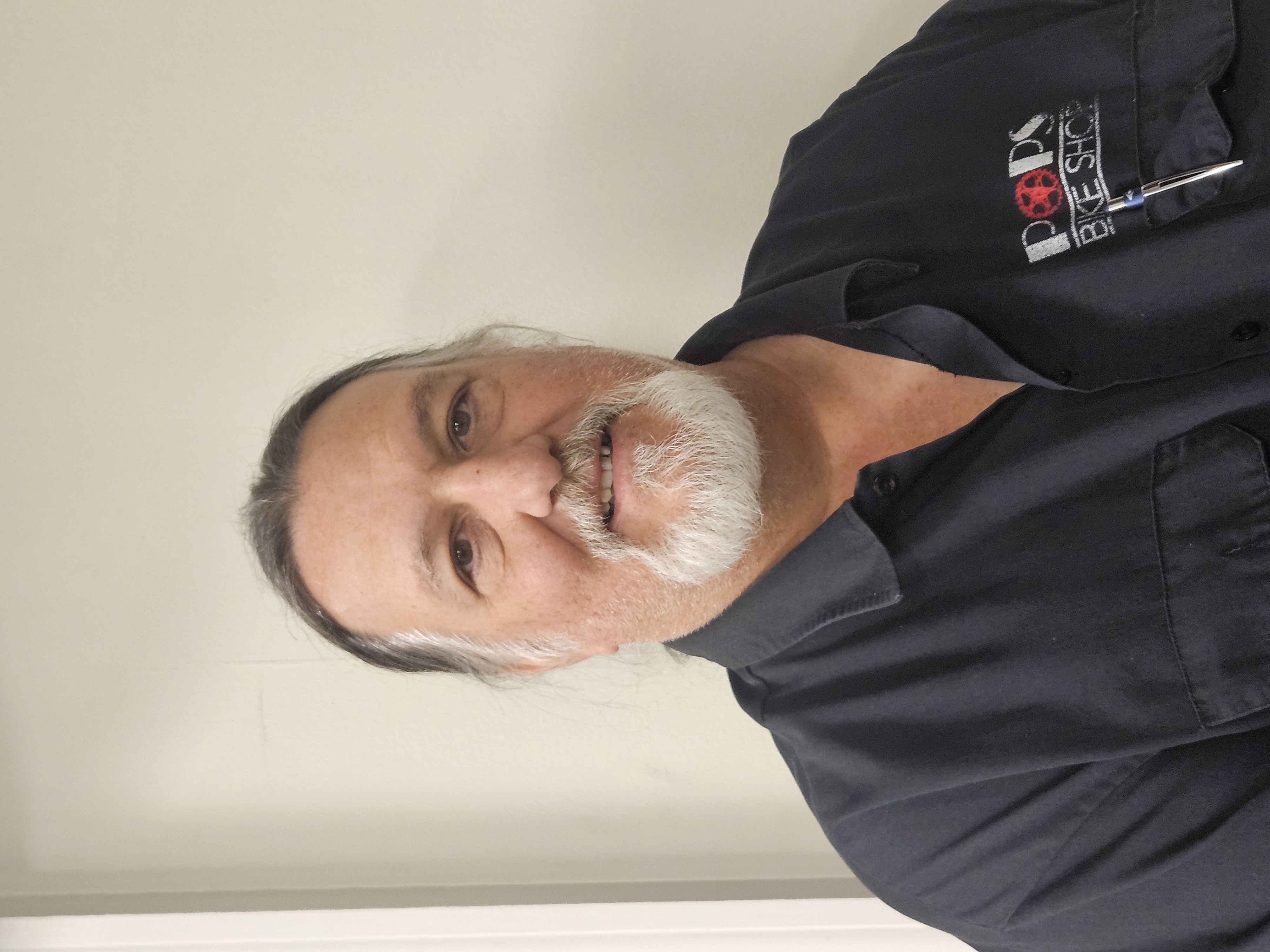
We have accounts with a wide range of suppliers, so sourcing traditional repair parts is rarely an issue unless brands rely on proprietary parts without supporting them. We aggressively shop vendors for sales and closeouts, and we also prioritize relationships; if a rep supports our business well, we try to support them in return. I think our sourcing challenge is less with the distributors than it is with the manufacturers. It is obnoxious that the industry is just taking the position of planned obsolescence and not supporting products with basic service parts after four or five years. It is tough to tell a customer with a bike you sold them five years ago that you cannot get a shock/fork rebuild kit, or the replacement shifters are no longer made.
We will install outside parts, and we explain to the customer ahead of time that we will not be responsible for any warranty issues with the parts, and if we have to research and confirm the parts are compatible/appropriate for the repair, we charge extra for the consultation time. At the distributor level, better freight policies would help. There’s also a broader concern that opening accounts to hobbyists dilutes the market for professional shops, especially when margins are already tight.
BUFFALO, N.Y: Jim Costello, sales director Bert's Bikes and Fitness
Brands are making it harder by increasing reliance on proprietary components. We don’t need multiple variations of basic parts like headset caps. If you don’t have a stockpile of common e-bike components, you’re out of luck during peak season. We try to keep things simple by working with a limited number of distributors and leveraging terms; with multiple locations, minimums are less of a concern. However, warehouse distribution can be uneven, with East Coast locations often receiving products last. We do not install outside parts — not even a tube. Distributors should ensure products are available across all warehouses before release and avoid accepting backorders for items that will never arrive.
MITCHELL, S.D.: Kourtney Denne, co-owner Ron’s Bike Shop
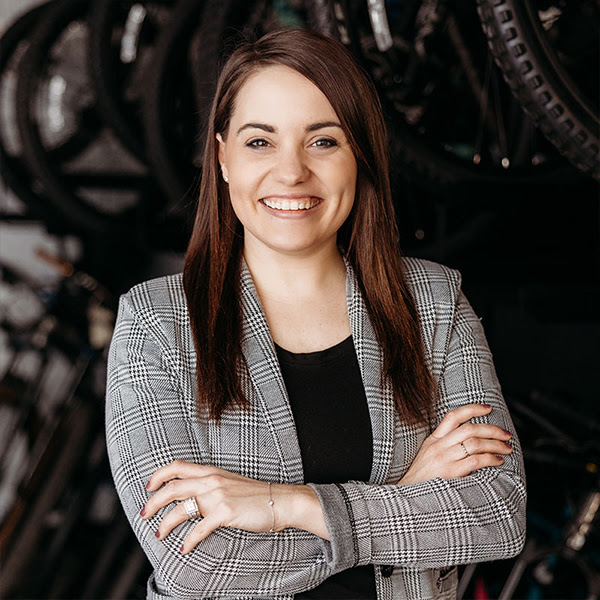
Ron’s Bike Shop is approaching 70 years in business, and my husband Cody — who has spent more than 20 years working in the shop — has experienced firsthand how sourcing bicycle repair parts has changed. We’ve seen sourcing evolve from simple and reliable to highly constrained during the pandemic, and now into a more stable environment. Availability has improved significantly, and one of the biggest shifts is toward more standardized components across models, which helps us complete repairs more efficiently and reduce customer wait times. Since the pandemic, we’ve expanded beyond major distributors to include smaller brands, which has strengthened our product mix and sourcing flexibility. We do not accept outside parts, as our customer base is loyal to purchasing through the shop; however, if we did, we would apply an additional service fee similar to what we charge for servicing outside e-bikes. The biggest opportunity for distributors is improved communication around parts availability.
SANTA ROSA, Calif.: Sophia Emad, social media/event specialist and sales associate Breakaway Bikes
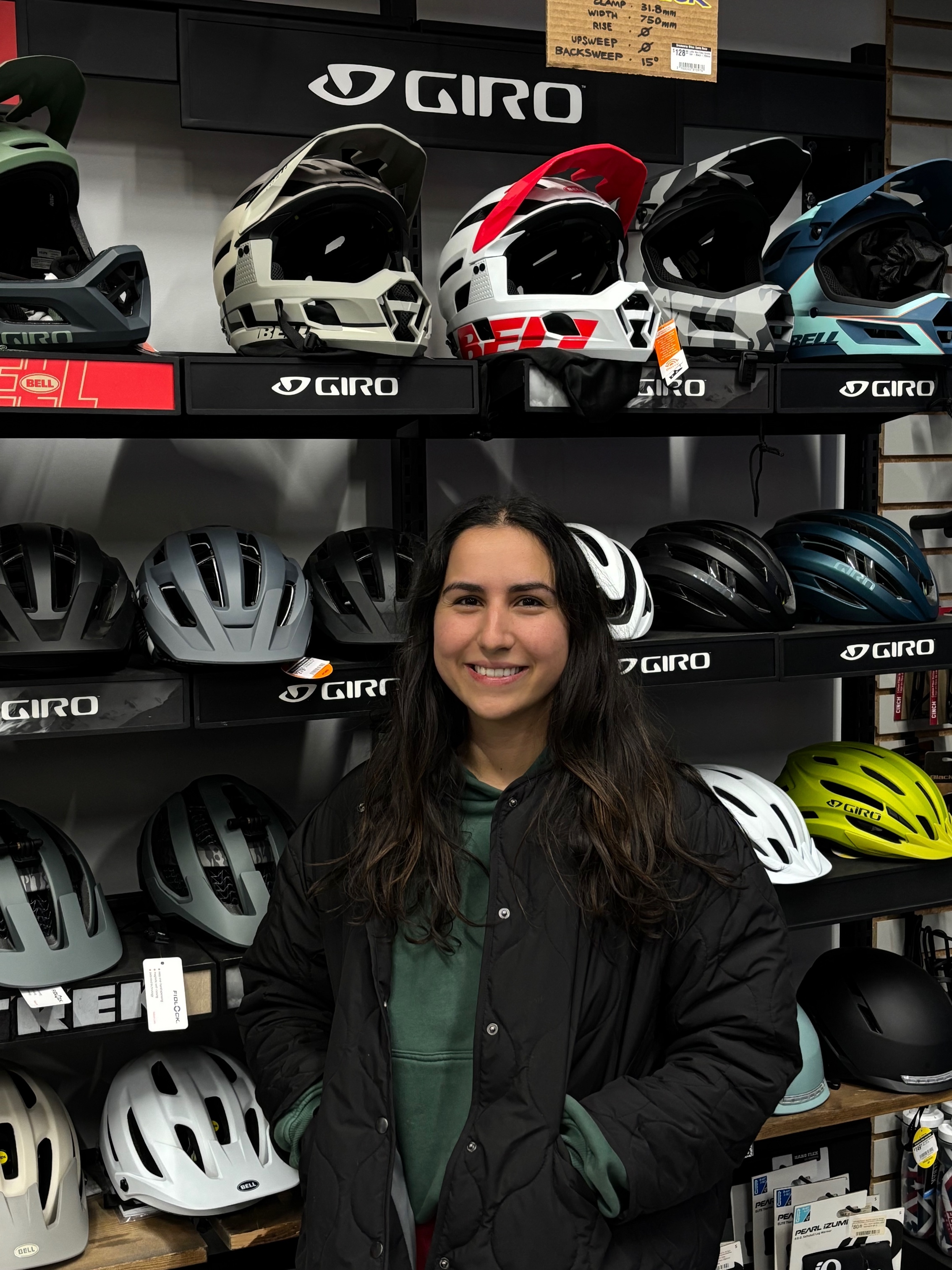
There has been an increase in proprietary parts, which creates additional complications and sourcing challenges. Some brands make replacement parts accessible and easy to find, but not all have user-friendly systems. Since the pandemic, we’ve implemented a more strategic buying program, adding vendors and creating direct supplier accounts. There is no difference to us how the part is supplied; our labor rates remain the same regardless of where parts come from. We do charge more for custom bike builds when the customer provides all the parts because there is an added time cost for ensuring compatibility. Distributors could improve sourcing by better integrating with point-of-sale systems and offering item reservation and backorder capabilities.
VICTORIA, British Columbia: Jeff Mitchell, general manager Oak Bay Bikes
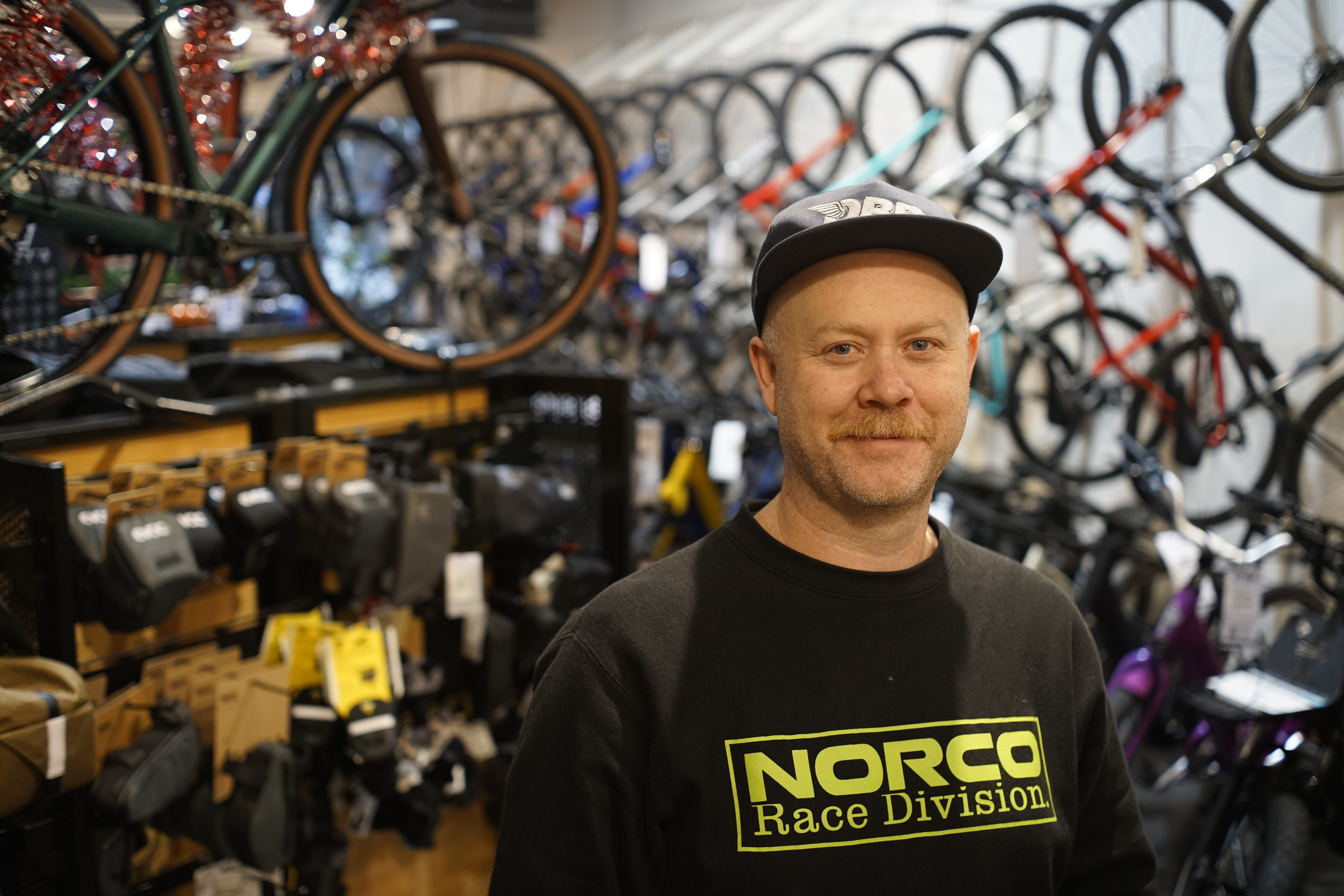
Brands have generally become easier to work with, allowing us to complete repairs more quickly and with greater transparency, though we’ve dropped some brands that didn’t meet that standard. In Canada, we’re somewhat limited in distributor options, but availability has improved compared to the pandemic, with fewer delays and less need to hunt for parts. We prioritize Canadian suppliers but have added some U.S. partners to fill gaps. We will install customer-supplied parts but don’t guarantee the work if the part is off-brand, and we don’t adjust pricing. It’s not something we encounter often. A key improvement would be expanding B2B access so shops that don’t carry certain brands can still source proprietary service parts.
INDEPENDENCE, Ohio: Matthew Schieferstein, manager/bike fitter Gear Up Velo

Most of our distributors carry the parts we need, but the growing use of proprietary components is a challenge. Instead of matching parts to frame specifications, many components are now only available through specific manufacturers. Our shop works with a similar number of distributors as before the pandemic, using one primary supplier for most purchases and others for brand-specific or exclusive items. We generally do not accept outside parts, except when proprietary components for brands we don’t carry must be sourced elsewhere. A major issue is counterfeit parts purchased online by customers. We will not install those under any circumstances. Improved demand forecasting for peak seasons would help distributors better support shops.
WHITEHOUSE, Texas: Laurie Simpson, manager/buyer Simpson's Fitness & Adventure Sports
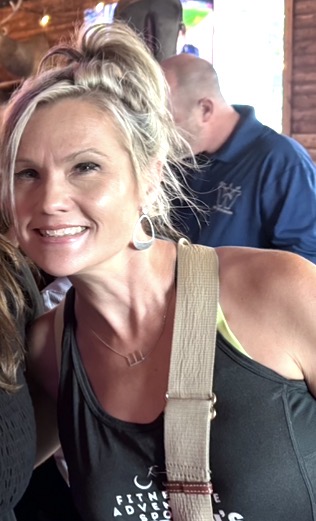
Brands are making it easier to source parts by cataloging discontinued bikes — Trek, for example, offers links to order exact parts for older models. We work with fewer companies since the pandemic, though I’m seeing more reps come back into shops trying to regain accounts. It seems like fewer customers bring in outside parts now, likely because they recognize the long-term value of buying a complete bike with warranties. Overall, distributors are doing pretty well.
BENTONVILLE, Ark.: Brent Van Eps, co-owner Trackstand Cyclery and Tavern

We haven’t noticed any notable changes in how brands offer repair parts. (Our current shop is new, but we’ve been in the industry almost 40 years so we’re using that as a reference.) Having more detailed diagrams available to locate specific parts has been helpful. Sourcing repair parts from distributors has changed for sure. Availability is somewhat better now, but it’s far from pre-COVID days. Many parts we need are still out of stock or they are not stocked in a single warehouse location, making it difficult to build orders under free shipping thresholds. In general, ordering repair parts is still much more time-consuming than it used to be, with lots of creativity needed to get what is needed.
We gladly install any parts a customer brings in as long as they are compatible and safe — no extra pricing or guilt. We’re seeing this regularly now and stocking less as more customers bring in parts purchased online, especially tires. One key improvement would be consolidating warehouses so all parts in an order ship from one or two locations. Often, with QBP especially, we have parts coming from three different warehouses on an order. This makes tracking more difficult, and sometimes those parts are needed for one repair, causing delays waiting for the shipment from the farthest warehouse. Having a closer warehouse doesn’t matter much anymore if the parts needed don’t ship from it anyway.