A version of this feature ran in the August issue of BRAIN.
BOULDER, Colo. (BRAIN) — For our August magazine edition, we asked our State of Retail panel members: What trends do you see with aftermarket electronics? What are your store's best practices and challenges with selling them?
LANCASTER, CALIF.: Paul Avila, owner Paul's Squeaky Wheel Bike Shop
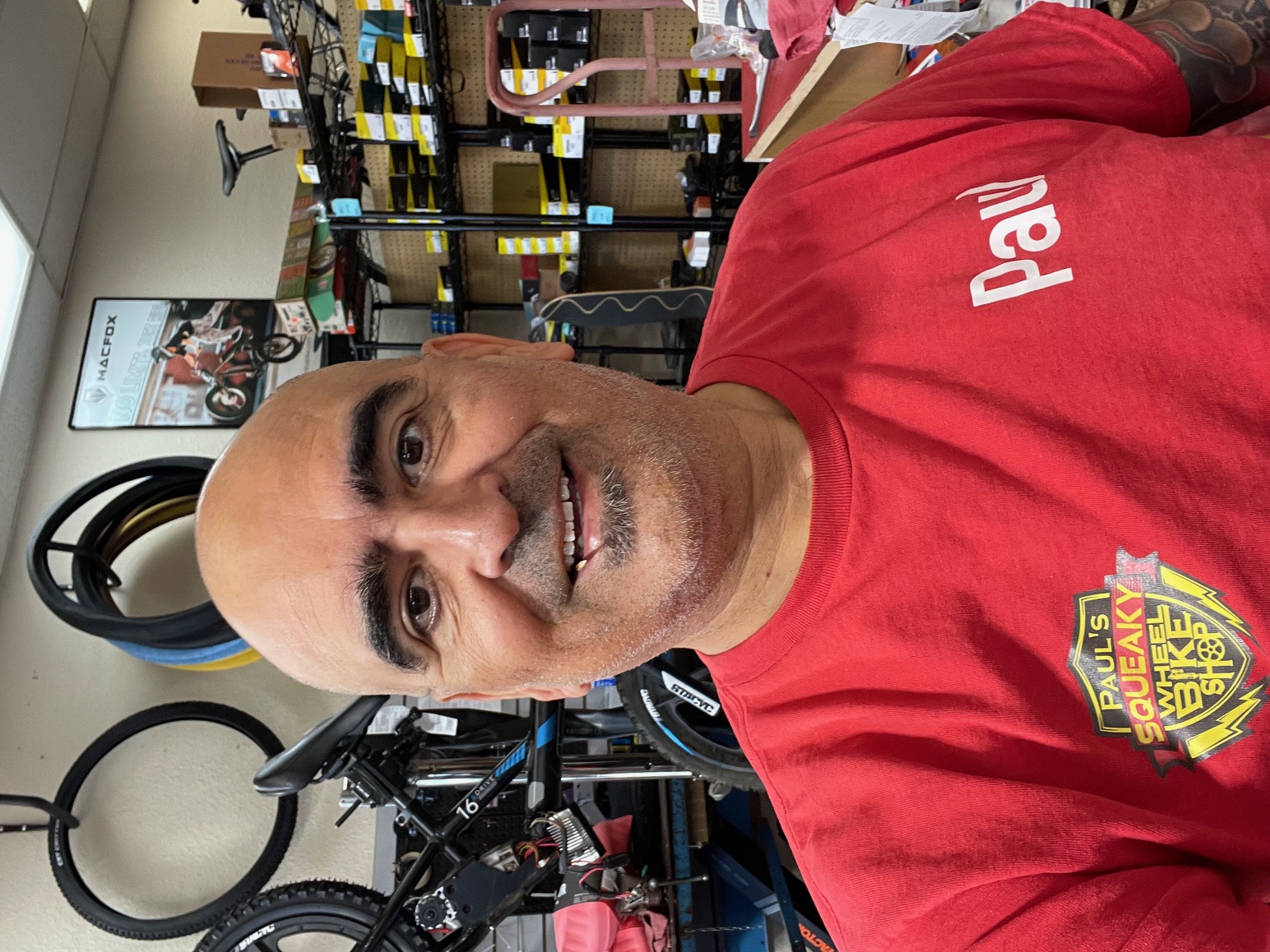
As a mostly service-based shop, I’ve made a business decision to bring in items that are going to sell quickly, rather than fill the shelves with fancy products that look good but won't move well, and this applies to electronics. Most people buying $400-plus head units are doing so online, and that’s the biggest reason that we don't stock these items. From a financial standpoint, it doesn't make sense for us to stock when we know the customers aren’t going to buy them from us. The majority of our customer base simply isn't into radar or high-end GPS devices; we rarely get requests for any type of electronics other than lights, and our commuter customers are the leading segment asking for them. When the weather starts changing in the early spring, we see an increase in lighting sales that drops significantly when the daylight starts increasing. We stock a wide variety of lights from low-end headlight/taillight combo units with replaceable batteries, to rechargeable units with 200- to 600-lumen outputs.
SOMERVILLE, N.J.: Marc Cianfrone, owner Pops Bike Shop
We’ve seen much stronger sales in the GPS/smart electronics segment and declining sales in the older style odometer-only cycle computers. Garmin is our strongest seller in a category that was once dominated by Cateye computers. Along with GPS head units, rear lights with radar systems are popular. Heart rate monitors have made a comeback as well. We sell the products we use and can easily explain and demonstrate to our customers. If a system is purchased from us, we do all of the installation and setup, and give the customer an in-person tutorial to answer any questions they may have. One of our biggest challenges is the constant discounting during peak selling season, and the continuing direct-to-consumer selling by manufacturers. Also, the margins are pretty pitiful for high-tech items that require knowledge and expertise to sell to customers. As I have said before, if a manufacturer actually believes they are superior and high quality, they should act like it and provide stronger margins at retail.
BUFFALO, N.Y: Jim Costello, sales director Bert's Bikes and Fitness
Sales are flat in the electronics category except for electric mini-pumps, on-bike radar units, lights, and Trek Bell Beats, a 2-in-1 digital bicycle bell and Bluetooth speaker. There is too much competition and discounting for Garmin, Wahoo, etc. We only stock items that have acceptable margins, and special order everything else. Some of our other best practices are upgrading Bosch e-bike displays and GPS modules, and upgrading e-bikes that we sell. We also buy items when they have specials to lower our average costs, such as preseason. We purchase directly from manufacturers. It's a proverbial swamp out there when it comes to discounting, pro deals, and so on in this category. There are too many players outside of the bike retail segment and the margins are unacceptable as well. My advice? Don't stock items that you lose money on every time you sell them. A 20-25% margin is not going to cover your overhead. If we can't "make it up on the volume," neither can you. Make smart decisions about what you sell.
MITCHELL, S.D.: Kourtney Denne, co-owner Ron’s Bike Shop
Overall, I'd say sales are stable to slightly up. The biggest trend we're seeing is customers investing in products that make their rides safer and more enjoyable. Bike computers, quality rechargeable lights, and on-bike radar systems continue to sell well. More customers want technology that helps them navigate, stay visible, and feel more confident while riding. We're selling fewer standalone cadence sensors and heart rate monitors than we used to since many riders already have smart watches or other fitness devices that track that information. We recommend the products that are the best fit for each customer. Whether someone needs a basic bike computer, a radar system for road riding, or quality lights for commuting or trail riding, our goal is to match them with electronics that will improve their riding experience. We believe the best product is the one that works for that rider and the type of riding they do.
One of our biggest challenges is helping customers understand the value of aftermarket electronics. Many riders don't realize how much products like bike computers, radar systems, or quality lighting can improve their safety and overall riding experience until they see them in use. The other challenge is the increasing cost of these products. Our job is to educate customers on the features and benefits while helping them find an option that fits both their riding style and their budget.
SANTA ROSA, Calif.: Sophia Emad, social media/event specialist and sales associate Breakaway Bikes
As far as trends regarding aftermarket electronics we have noticed that many consumers are turning to online direct-to-consumer sites to purchase these. Aside from on-bike lights, we do not stock any other cycling electronics.That being said, all of our staff use and are well-versed in multiple brands and their products to assist any customer who has concerns or needs. We have found that the margins on electronic products are low, so it is not practical for us. Additionally, overcoming brand preference from customers is a challenge.
EDMONTON, Alberta: Mark Rumsey, general manager and owner Hardcore Bikes

We’ve seen a significant increase in electronics sales this year, but the margin is down. Digging deeper into the data, it seems accessories such as phone and GPS mounts have contributed a lot to our sales increase. The lights category, which includes radar systems, has seen a decrease in volume but a slight increase in margin. Overall, these are small but important categories. With the exception of Garmin, the margins are good. We train our staff to encourage add-ons to bike sales to ensure the rider is "ready to ride," and electronics are a key part of this. Lights and radar are an important part of the safety conversation. We also try to educate customers that phones work as a bike "computer," but a dedicated GPS unit is a lot more rugged. Challenges in electronics sales include the aforementioned low margins on Garmin and online competition, e.g. Amazon, on many products.
INDEPENDENCE, Ohio: Matthew Schieferstein, manager/bike fitter Gear Up Velo

Demand for after-market electronics is steady, and we’ve seen an increased interest in light/camera/radar setups. Lights are imperative; cameras and radars are handy ancillary safety devices; heart rate monitors, GPS units, and power meters record essential metrics for fitness tracking. For us, best practices come down to asking qualifying questions, as does any sales conversation. We ask about budget, about when and where customers are riding, and what kind of riding they do. We ask if they have one bike, or a need to transfer electronics between bicycles. Our challenges are price, availability, and necessity, and sometimes the rider's ability to adopt to new (and possibly unfamiliar) technology. For examples; power meters can be effective training tools, but only if employed correctly. GPS units record significant amounts of data and have safety features like crash-alerts, but some riders consider them to be cumbersome. We do what we can to address concerns about complexity and necessity. Having a working knowledge of myriad electronics and their functions helps to offset the aforementioned challenges.
WHITEHOUSE, Texas: Laurie Simpson, manager/buyer Simpson's Fitness & Adventure Sports
Our best-selling electronic accessory, hands down, is Trek’s Mini Air Rush Pump. You can show a customer a regular pump for $79, and they’ll say it’s too much money. But at checkout, they see the electric pump for $99 and say, “I’ll take it!” Our best practices are showing how the electric pump works and telling customers about its 30-day guarantee. One of our biggest challenges with electronics is that Garmin has better pricing and sales online, and we can’t compete.
BENTONVILLE, Ark.: Brent Van Eps, co-owner Trackstand Cyclery and Tavern

There was a time many years ago when a cycle computer was added on to almost every bike I sold, but electronics really aren’t something we find important to stock in our shop. Just about every rider I know uses their phone. Some attach it to the bike, others just put it in a pack. Those using power meters and nicer GPS devices seem to purchase online at a deep discount anyway. Regarding lighting, on the higher end, Outbound owns that market and sells directly (it sells to shops, too) so we focus on lower cost impulse purchases on affordable lighting. We stock a small selection of affordable head and taillights that do OK. They’re prominently displayed on a nice table and are visible right when you walk in. Our biggest challenge with electronics sales are the phones people already own. There are all kinds of apps to turn the phone into an excellent cycle computer and GPS navigation device. Secondly, riders spend a lot of time researching electronics products online, and by the time they are ready to buy, they’re fed deal after deal online. We can’t compete.